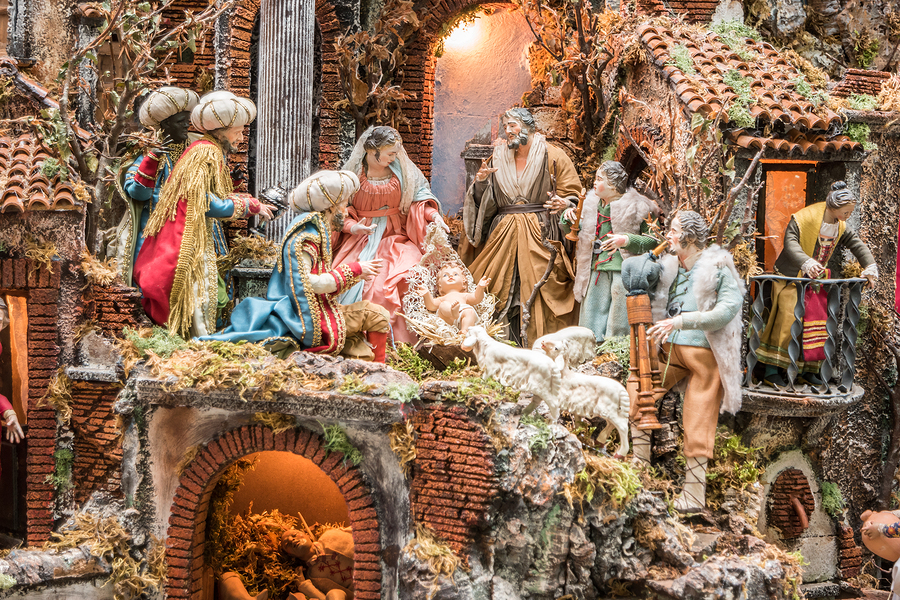
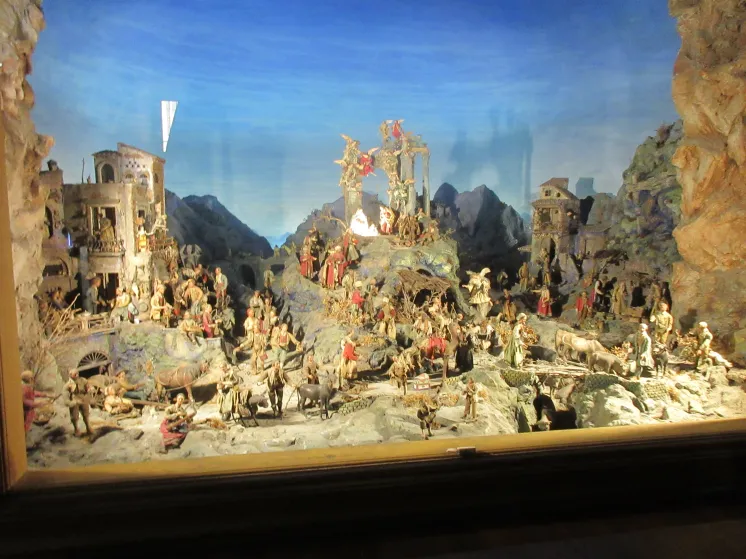
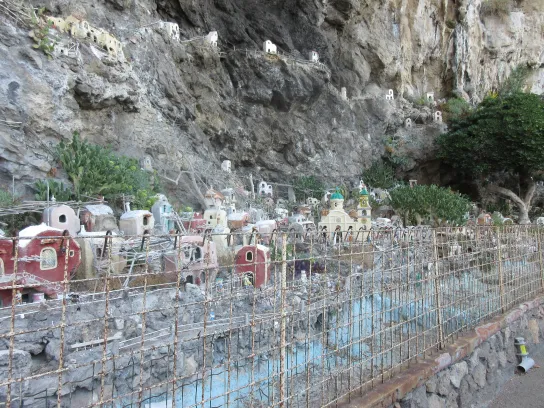
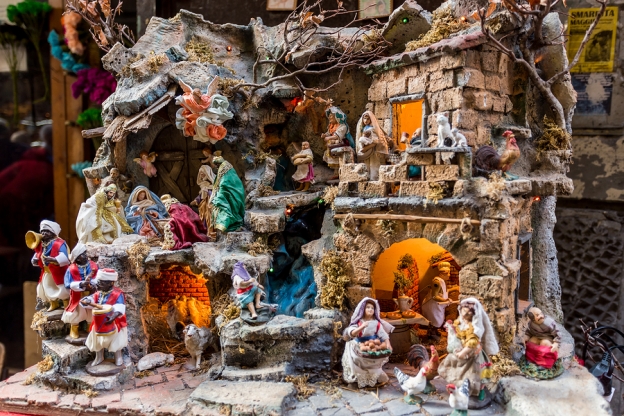
It began with Saint Francis, who reenacted the birth of Christ with live animals in 1223. Actors were added and later, “presepi” (means ‘crib’) were set up throughout Italy, but with pomp and circumstance. In the 1470’s sculptor Alamanno was commissioned to create 42 painted and gilded sculptures for a private Neapolitan chapel. The nativity scenes grew into small cities, with landscapes, grottos, caves, a specialized art with intricate lighting and even mechanical movement and sound.
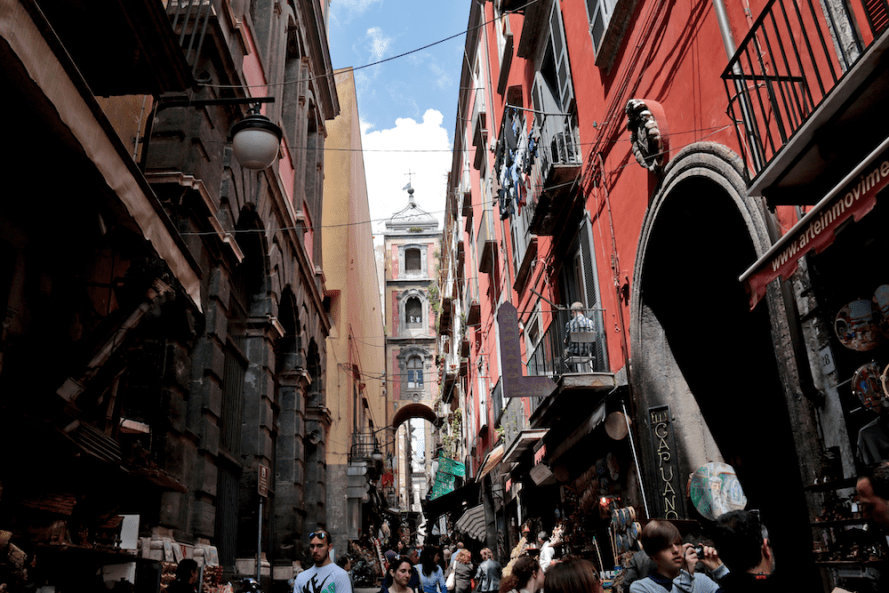
Today, Naples has a whole street in the San Gregorio Armeno neighborhood with 40 active workshops producing a third of the 200,000 terracotta figures made annually devoted to the nativity trade. Quality of workmanship, construction materials range from plastic to hand-blown glass, custom costumes and elaborate papier-mache creations with prices that match the “get what you pay for” advice. Find shopping criteria on Italy Magazine’s excellent article:
https://www.italymagazine.com/featured-story/neapolitan-nativities-buyers-guide
 Betty is a California-based writer whose work explores local history, travel, food, and the people who shape community life. Her storytelling is rooted in curiosity, culture, and real-world experience.